

|
|
|
|
2002 Articles |
 |
Seychelles
' Cowries
ICONOGRAPHY By Touitou David .... Last updated : 02th may 2005 |
 |
 |
 |
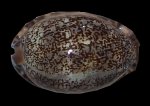
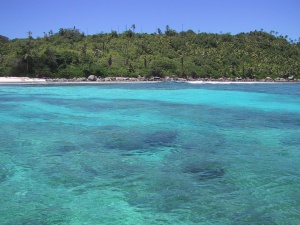
| Well, in this work, you will find an iconoraphy about Seychelles ' cowries, of course I do not have all the pictures of all the shells. I included also a short text about the rarity and any other striking element based on my field experience there. The names are based on the Book of Mr. Felix Lorenz & Alex Hubert, "A Guide to Worldwide cowries", first edition. The list of Seychelles cowries is the one taken from Mr. Alan Jarret' s book : "Marine Shells of the Seychelles". I will update the list when new elements arrive from myself or fron any other collector. |
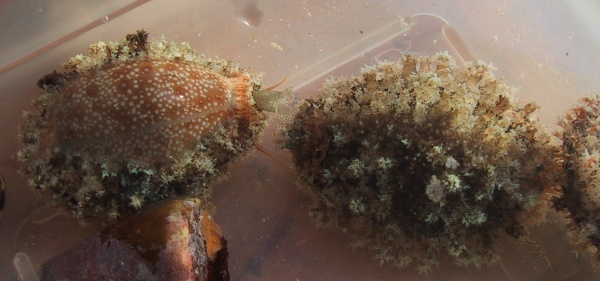
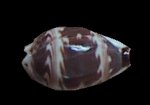
Cypraea erosa live
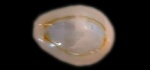 |
annulus Linné, 1758 | This is the most common cowrie of the Seychelles. It can be found everywhere turning rocks or looking in the algae beds. |
|
|
arabica immanis Sch. & Sch., 1939 | It
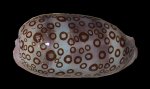
is an uncommon to rare specie. I only found one live. it was on a dead branched coral head in front of a granit cliff where wave action is very strong. This day the water was calm enough for swimming... |
 |
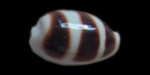
argus contrastriata Perry, 1811 | This is an uncommon cowrie. I found several fresh dead ones, but i did never see any live speciemen. It as usually a pinkish tint. |
 |
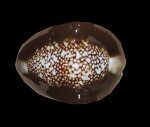
asellus Linné, 1758 | Supposed to be common, i never saw any live speciemen, only found beached (common) or fresh dead ones (uncommon). |
 |
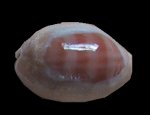
caputserpentis Linné, 1758 | One of the most common specie. It can be found nearly everywhere, but mostly on the edge vitals reefs & along the rocky shoreline where the wave action is important. Different colors may be found. First, two general colors, black ones & brown ones. Second point : the clear line around the syphon channel, can be white, orange/red or blue. |
 |
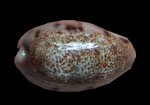
carneola carneola Linné, 1758 | A common specie, rarely big (as many cowries from Seychelles) can be found turning medium to big rocks. Must be distinguished from it's cousin leviathan. |
 |
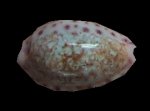
caurica dracaena Born, 1778 | A
very common specie. Can be found anywehere but is mostly found under dead
corals in the calm waters beside any reef. It can have the base pink, white or yellow. |
 |
chinensis variolaria Lamarck, 1810 | This seems to be rare outhere. It is a very nice specie though. I found it under a big piece of dead coral. |
|
no
picture
|
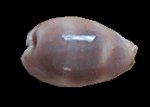
cicercula Linné, 1758 | I never found any live specimen of this specie. It is supposed to bury deeply into sand. Always found it beached. It is supposed to live burried in coral rubble with scurra & globulus. |
 |
clandestina
clandestina
Linné, 1767 clandestina passerina Melvill, 1888 |
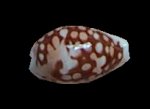
This is another common specie. Bigger specimens are very difficult to find. They occur in shallow water, under small pieces of deaed corals. |
 |
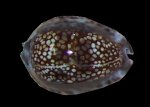
cribraria comma Perry, 1811 | This is a hard to find shell. I found some fresh dead specimens during scuba, but never any living one. All the specimens i found were very smalls though. |
 |
depressa Gray, 1824 | This is a common beached shell, but a hard to find living one. I found hundreds of washed specimens along the granitic-rocky shorelines of Praslin, where wave action is strong. The one i found live was under a huge piece of dead coral on the vital edge of a reef. |
|
|
diluculum
diluculum Reeve,
1845 diluculum virginalis Sch. & Sch., 1938 |
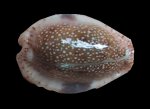
This is an uncommon to rare shell. I did only find one live (very small and juvenile). And i only found one beached... The one on the picture was bought to local dealer. The live specimen was found in shallow water under a small piece of dead coral (50 cm deep). |
 |
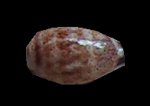
erosa Linné, 1758 | This is a common specie there. It may vary in lengh and size, but also in color (clear to very dark green). Some specimens are very callous. It is found either in calm lagoons water or on the edge of the reef. Mostly found under rocks and coral or in branched corals. |
 |
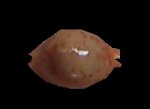
fimbriata fimbriata Gmelin, 1791 | This common cowrie is very small, but in one spot (Praslin) it can be really big for the specie. Specimens are either clear or dark. They hide under small to medium pieces of dead corals. |
 |
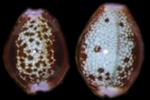
globulus brevirostris Sch. & Sch., 1938 | This specie is hard to find live, but is common beached. As its seems to bury in sand, it would take hours of hunting to find one live... The only live specimen i saw was crawling on the sand during daytime near the reef. It is supposed to live burried in coral rubble with cicercula & scurra. |
 |
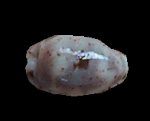
helvola argella Melvill, 1888 | One of the most common cowrie. Many variations can be found fresh dead. The thing wich strikes me is the very dark brown-honey color of some specimens. They hide under small pieces of dead corals anywhere. |
 |
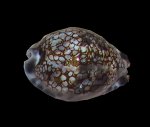
hirundo francisca Sch. & Sch., 1938 | An endemic specie. The color of this local variation is not blue but is pink. it is not always bloched. I found several beached, one fresh dead. I know that other collectors found many ones locally in Mahé. The live specimen i saw was hidden under a small piece of dead coralwith many algae around, between the reef edge and the lagoon. |
 |
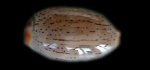
histrio Gmelin, 1791 | This is also one of the most common shell of the Seychelles. Under large stones it can be found easily by up to 4 specimens. Many variations exists, from yellowish to blackish general color. One striking variation is the reddish color of the base of some juvenile specimens (look at the picture). Like the caputserpenstis it prefers rough water. |
 |
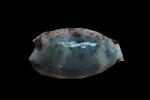
isabella isabella Linné, 1758 | This is a common specie. It is mostly found on the edge of the reefs. Only the fine dark lines may vary as usually in numbers. Some do not have any. They hide into coral formations or under pieces of dead corals. |
 |
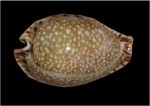
kieneri kineri Hidalgo, 1906 | This
is an uncommon to rare specie. I saw a few live specimen though. This is
a very pretty specie. All the ones i saw where bloched. They seem to live under small pieces of dead corals in shallow water between the reef edge and the lagoon, like the hirundo. |
 |
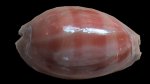
lamarckii Gray, 1825 | The
only specimen I have was given to me live by a local friend (fisherman).
The shell was stuck on a fish trap by 40m of water. The cowrie stayed stuck until the surface... The trap had a lot of life living on it anyway. |
 |
leviathan titan Sch. & Sch., 1962 | This specie is mainly found during scuba searches. I never saw any live specimen though. When the dregger was still i naction they found really huge specimens. |
|
no
picture yet
|
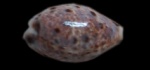
limacina interstincta Wood, 1828 | This is an uncommon to rare specie. All the beached specimens i found were very smalls and while scuba. I only saw one living specimen. It was a very big one compare to the beached ones, was totally black with no usual sores. It was juvenile though. It was hidding under a medium piece of dead coral in shallow water (lagoon). |
 |
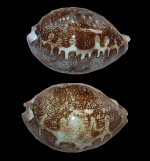
lynx Linné, 1758 | This is a common specie. I never saw any big specimen. Of course many colors may be found from pink to orange as usual for this specie. They usually hide under rocks in the lagoons. |
 |
mappa rosea Gray, 1824
mappa geographica Sch. & Sch., 1933 |
This
is a rare specie there. It is usually found during scuba. I found a nice
fresh dead specimen in 6 meters deep though. This one was different from
the typical geographica one and is related to the mappa rosea ssp. I found one typical mappa geographica during scuba, it was hidding under a medium piece of dead coral at -28 meters of water. |
|
no
picture
|
mauritiana Linné, 1758 | I only found one huge & very old beached specimen. But a local diver told me he saw some some years ago. This is a very rare specie there. Strange... |
 |
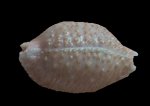
moneta Linné, 1758 | This is a very common specie, with many variations in size, shape and color, but it can be absent of some spots. It is a shallow water specie. |
 |
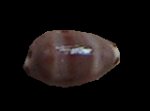
nucleus madagascariensis Gmelin, 1791 | This seems to be a rare specie there. I only found washed dead specimens. The fishermens told me that it hides into coral formations during daytime. |
 |
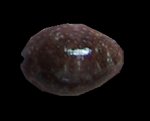
owenii Sowerby, 1837 | This is a very rare specie. I only found a fresh dead subadult specimen. |
 |
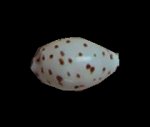
poraria Linné, 1758 | This is an uncommon to very rare specie. I only saw one live but found several fresh deads. The live one was found under a piece of dead coral on vital reef in less than a meter deep. |
 |
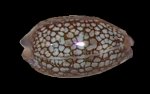
punctata berinii Dautzenberg, 1906 | I have never seen this specie alive. I found a beached one some years ago. But it is supposed to be common on some spots in Mahé island. |
 |
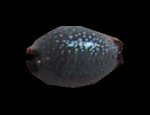
scurra scurra Gmelin, 1791 | This specie is not easy to spot. I found ones under plates out of the reef and some on the edge of the reef, in the roots of dead attached corals. The dorsum can be brown, grayish, golden or very dark. It is supposed to live burried in coral rubble with cicercula & globulus. |
 |
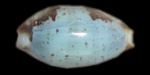
staphylaea laevigata Dautzenberg, 1932 | This specie is not so common. Beached specimens are more often found than live ones. I only found a live specimen under a very big block of coral with algae on top. |
 |
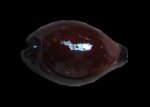
stolida clavicola Lorenz, 1998 | I
only saw one twol live specimens. It was on the outer side of a reef. Under
a very large dead coral plate. In 2/3 meters of water. The mantle was very thin and pale gray. |
 |
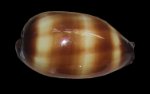
succinta adusta Lamarck, 1810 | This species lives at deaph near 30m and so is rarely found. The one I have comes from a local friend who catch them in his fish trap time to time... |
 |
talpa Linné, 1758 | This is a common specie. Easy to spot alive because of its big size. it is mostly found under medium pieces of dead coral or in the shadow of huge rocks or coral formations. i found many fresh dead specimens during scuba and snorkeling. |
 |
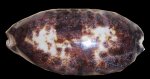
teres Gmelin, 1791 | This specie is supposed to be common, but i never saw any live specimen though. I only found several fresh dead one from different colors and shape on the edge of vital reefs. |
 |
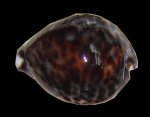
testudinaria Linné, 1758 | This seems to be rare there. I only found a huge fresh dead specimen in 2 meters deep. |
 |
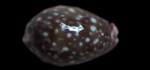
tigris Linné, 1758 | This is a common specie wich can be found during daytime crawling on coral or rocks. Many variations occurs there. I never found any fresh dead specimen though. the one on the pictures where bought to local fishermens. |
 |
vitellus Linné, 1758 | This is an uncomon speice. The live specimens i saw where hidden under huge pieces of dead or live corals i nthe lagoons. Beached one are much more commonly founds. Bigger sp. can be found in crevices on the granit cliffs. |
Species I haven't seen yet :
|
no
picture
|
contaminata Sowerby, 1832 | I never found any specimen of this specie. |
|
no
picture
|
felina Gmelin, 1791 | I never found any specimen of this specie. |
|
no
picture
|
gangranosa Dillwyn, 1817 | I never found any specimen of this specie. |
|
no
picture
|
marginalis Dillwyn, 1827 | I never found any specimen of this specie. |
|
no
picture
|
walkeri walkeri Sowerby, 1832 | I never found any specimen of this specie. |
|
no
picture
|
ziczac Linné, 1758 | I never found any specimen of this specie. |
|
|
|
|
2002 Articles |